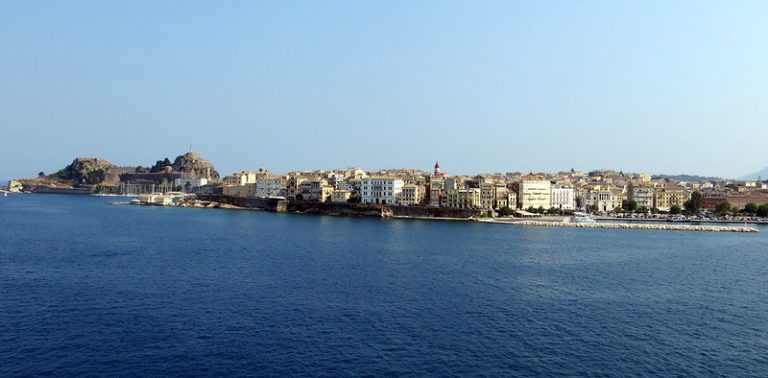
Things to Do in Othonia
Othonia is the largest of the Diapontian Islands and the westernmost inhabited island in Greece. Located northwest of Corfu, it combines quiet villages, forested hills, remote beaches and a rugged western coastline shaped by the open Ionian Sea.
The island is also known as Othonoi or Othoni. Its small permanent population and limited tourism infrastructure make it better suited to travellers interested in walking, swimming, boating and traditional island life than conventional sightseeing.
Although Othonia can be visited as a day trip, staying overnight provides time to explore beyond the harbour and experience the island after the excursion boats have departed.
Othonia Quick Reference
Best for: Quiet beaches, walking, boat trips and traditional island life
Main settlement and port: Ammos
Most famous beach: Aspri Ammos
Signature attraction: Calypso’s Cave
Highest point: Imerovigli
Ideal stay: Two or three nights
Getting around: Walking, local transfers and small boats
Best time to visit: Late May to September
1. Explore Ammos Village
Ammos is Othonia’s main port and the first place most visitors encounter. It is a compact coastal settlement with accommodation, tavernas and basic visitor services arranged around the harbour.
The village is more functional than polished, but that is part of its appeal. Fishing boats share the waterfront with ferries and visiting yachts, while local life continues without the large souvenir shops and organised attractions found on Corfu.
Ammos Beach lies beside the settlement and provides an easy place to swim while waiting for a ferry or boat excursion. The waterfront is also the most practical place to ask about current transport, walking conditions and boat trips to the island’s inaccessible western coast.
2. Take a Boat to Aspri Ammos Beach
Aspri Ammos is Othonia’s best-known beach and one of the most striking coastal settings in the Diapontian Islands. Its name means “white sand,” although the shore can contain a mixture of pale sand and smooth white pebbles.
The beach lies beneath dramatic cliffs on the western side of the island. It cannot normally be reached by road, so most visitors arrive by small boat from Ammos.
The water is exceptionally clear, and the white shoreline creates vivid shades of turquoise on calm, sunny days. There is little or no organised infrastructure, so visitors should bring water, sun protection and anything else required for the trip.
Boat access depends on wind and sea conditions. The western side of Othonia is exposed to the open Ionian Sea, and excursions may be changed or cancelled when conditions are unsuitable.
3. Visit Calypso’s Cave
Calypso’s Cave is located near Aspri Ammos and is usually visited on the same boat trip. The large sea cave has two entrances, high rock walls and deep blue water.
Local tradition connects Othonia with the island of the nymph Calypso in Homer’s Odyssey. According to the story, Calypso detained Odysseus on her island for several years before he was finally allowed to continue his journey home.
There is no historical proof that Othonia was Homer’s Ogygia, but the association has become an enduring part of the island’s identity.
Small boats may enter or approach the cave when the sea is calm. Swimming should only be attempted when the local boat operator considers conditions safe. Waves, currents and boat movements can make sea caves hazardous even when the water initially appears peaceful.
4. Walk to the Othonia Lighthouse
The lighthouse is one of the island’s most distinctive landmarks. It stands on the western side of Othonia, where it has long helped vessels navigate the waters between Greece and Italy.
Reaching the lighthouse involves travelling away from Ammos and following the island’s rural roads and paths. The journey is as important as the destination, passing through wooded countryside and quieter parts of the island rarely seen during a brief harbour visit.
The lighthouse itself may not be open to visitors, but the surrounding area provides expansive views across the Ionian Sea. On exceptionally clear days, the position of Italy beyond the horizon becomes easier to appreciate, even if the mainland is not always visible.
Walkers should carry water, wear appropriate footwear and avoid the hottest part of the afternoon.
5. Discover the Inland Villages
Othonia is not centred around a single town. Small settlements and groups of houses are distributed across the interior, connected by narrow roads, tracks and older walking paths.
Chorio is among the most appealing inland areas. Its traditional houses, stone walls, gardens and surrounding greenery provide a contrast with the harbour at Ammos.
There are few conventional attractions in these settlements. The pleasure comes from walking slowly, noticing the architecture and seeing how the island’s landscape has been shaped by generations of farming and settlement.
Visitors should remember that these are residential communities rather than staged tourist villages. Gates, gardens and houses should be treated as private unless clearly indicated otherwise.
6. Hike to Imerovigli
Imerovigli is the highest point on Othonia and one of the best destinations for walkers. The route passes through the island’s green interior before reaching elevated ground with views across the Diapontian Islands and the surrounding sea.
Othonia’s network of roads, tracks and old paths makes it possible to create several walking routes linking Ammos, Chorio, the lighthouse and the island’s smaller settlements.
Trail marking and maintenance can vary, so walkers should not rely entirely on signs. An offline map, sufficient drinking water and sturdy shoes are advisable.
Summer walks are best started early in the morning or later in the afternoon. Shade is available in some wooded sections, but exposed stretches can become extremely hot.
7. See the White Cross at Stavros
A white cross in the Stavros area commemorates a violent episode in Othonia’s history. Local accounts associate the monument with an attack by the forces of the Ottoman admiral and corsair Hayreddin Barbarossa in 1537.
The cross is a modest landmark rather than a major developed attraction. However, it provides an opportunity to understand the vulnerability of small Ionian communities during centuries of conflict, piracy and competition between Mediterranean powers.
Its quiet setting also makes it a worthwhile stop during a longer walk through the island’s interior.
8. Visit Othonia’s Churches
Several small churches are scattered among Othonia’s settlements. These buildings remain important parts of local community life, particularly during feast days when former residents and families with connections to the island return.
The Church of Agios Georgios is one of the island’s better-known religious landmarks. Other churches and chapels can be encountered while walking between the villages.
Visitors may find churches closed outside services or local celebrations. Even when entry is unavailable, their locations, bell towers and surrounding views make them worthwhile stops.
Modest clothing and respectful behaviour are expected if a church is open.
9. Look for Traces of Older Othonia
Othonia’s landscape contains reminders of earlier periods of settlement, including old stone houses, agricultural terraces, wells, paths and the remains of traditional rural structures.
References are sometimes made to Venetian fortifications or a castle on the island. Any surviving remains are fragmentary and should not be expected to resemble a restored fortress or formal archaeological site.
The more rewarding approach is to view Othonia’s interior as a lived historical landscape. Stonework, abandoned buildings and older routes reveal how residents adapted to isolation, limited resources and the need for protection from maritime raids.
10. Take a Boat Around the Island
A complete coastal tour is one of the best ways to understand Othonia. The eastern side contains the main harbour and more accessible beaches, while the western side is defined by cliffs, caves and secluded coves.
A local boat trip may include Aspri Ammos, Calypso’s Cave and other swimming stops chosen according to conditions. The exact itinerary should remain flexible because wind direction and waves can determine which parts of the coast are safely accessible.
Private boats and yachts should use particular care around rocks and reefs. Local knowledge is valuable, especially on the more exposed western coast.
11. Swim and Snorkel
Clear Ionian water makes Othonia well suited to swimming and snorkelling. Ammos provides the easiest access, while boat trips reach quieter coves with little development.
Rocky sections of coast can support more visible marine life than open sandy areas. A mask and snorkel are therefore useful additions to the luggage of anyone spending several days on the island.
Water shoes can help on pebble beaches and around rocky entry points. Swimmers should remain alert to currents, passing boats and sudden changes in wind.
There are no lifeguards at many of Othonia’s swimming places, so remote coves should be approached conservatively.
12. Watch the Sunset
Othonia’s western position makes sunset one of the island’s simplest pleasures. Elevated areas around the interior and western side provide broad views over the Ionian Sea.
A sunset walk can be combined with a visit to Chorio, the lighthouse area or one of the island’s higher viewpoints. Visitors returning after dark should carry a torch because street lighting is limited away from Ammos.
Even around the harbour, the evening becomes noticeably quieter once day visitors and excursion boats have left.
13. Experience Othonia After the Day Trips Leave
The difference between visiting Othonia for several hours and staying overnight is considerable. Day visitors can see Ammos and possibly take a boat to Aspri Ammos, but they experience only part of the island.
An overnight stay allows time for inland walking, an unhurried evening meal and an early morning swim. It also removes some of the pressure created by coordinating a boat excursion with the return ferry.
Othonia is particularly atmospheric early in the morning and around sunset, when the harbour is quiet and the island returns to its normal rhythm.
Can You Visit Othonia on a Day Trip?
Othonia can be visited on a day trip from Corfu when ferry or excursion schedules allow. A typical short visit may include:
- A walk around Ammos
- Swimming at the harbour beach
- Lunch at a local taverna
- A boat trip to Aspri Ammos and Calypso’s Cave
Visitors should confirm the return departure immediately after arriving. Ferry services can change according to the season, weather and operational conditions.
A day trip is sufficient for the coastal highlights, but not for exploring the inland villages, lighthouse and walking routes properly.
How Long Should You Spend in Othonia?
Two nights provide a good introduction to the island. This allows one day for a boat excursion and another for walking through the interior.
Three or four nights will suit travellers interested in swimming, reading and moving at a slower pace. Othonia has enough landscape and coastline to reward a longer stay, but it does not provide extensive shopping, nightlife or organised entertainment.
Travellers wanting a conventional resort holiday will probably prefer Corfu. Othonia is better for those who value quiet surroundings and simple daily routines.
Getting Around Othonia
There is no regular public bus network around the island. Most visitors rely on walking, pre-arranged transfers or occasional transport provided locally.
Distances are manageable, but the island is hillier than it first appears. Travelling between the harbour, inland villages and western coast can take significant time in summer heat.
Accommodation owners can often help arrange luggage transfers or explain the most practical way to reach a particular trail or beach. These details should be discussed before arrival rather than assumed at the port.
Practical Tips for Visiting Othonia
- Bring cash because electronic payments and cash access cannot always be assumed.
- Carry water when walking or taking a boat to an undeveloped beach.
- Download maps before travelling in case mobile coverage is inconsistent.
- Confirm ferry times shortly before departure.
- Bring essential medicines and specialist supplies from Corfu.
- Use strong sun protection, especially during boat trips.
- Wear proper footwear for inland paths and rocky coastal areas.
- Do not enter sea caves without considering waves and local advice.
- Allow flexibility because boat excursions depend on weather conditions.
Final Thoughts
The best things to do in Othonia revolve around its landscape rather than constructed attractions. Aspri Ammos and Calypso’s Cave reveal the island’s dramatic western coast, while the lighthouse, Imerovigli and inland villages reward travellers prepared to explore on foot.
Othonia is large enough to justify more than a hurried harbour visit but small enough to retain a strong sense of isolation. Its appeal lies in quiet beaches, wooded paths, scattered settlements and evenings when the sea and harbour become the island’s principal entertainment.