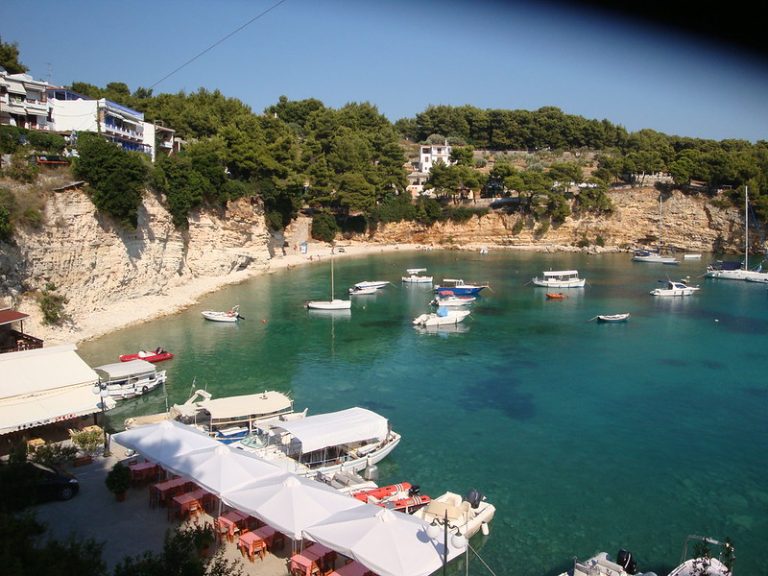
Things to Do in Skyros: Chora, Beaches and Island Traditions
Skyros combines a striking hilltop town with sandy beaches, archaeological remains and traditions that give the island a distinctive character. Its whitewashed houses cluster beneath a castle rock, while ceramics, carved wooden furniture and the rare Skyrian horse provide connections with local life beyond the coastline.
Although part of the Sporades island group, Skyros lies apart from the usual Skiathos–Skopelos–Alonissos route. It rewards a holiday of its own, with time to explore Chora, visit its museums and discover different coastal settings.
The best things to do in Skyros bring together these experiences rather than concentrating entirely on beaches. A morning among the town’s lanes can lead to an afternoon swim, while another day might combine a prehistoric settlement with a journey through the northern countryside.
Skyros at a Glance
| Experience | Location | What to expect |
|---|---|---|
| Explore Chora | Main town | Whitewashed lanes, shops and traditional architecture |
| Visit Agios Georgios and the castle area | Above Chora | Religious heritage and elevated views |
| Discover the Faltaits Museum | Chora | Folk art, household objects and historical collections |
| Visit the Archaeological Museum | Chora | Finds from the island’s ancient settlements |
| Explore Palamari | Northern Skyros | Remains of a fortified Bronze Age settlement |
| Learn about Skyrian horses | Conservation farms | An introduction to the rare local breed |
| Spend time at Magazia and Molos | Below Chora | Sandy beaches and seasonal coastal services |
| Explore Pouria | Near Molos | Former quarry workings and unusual rock formations |
| Visit Linaria | Southwestern coast | Harbour activity and waterside meals |
| Discover traditional crafts | Chora and local workshops | Ceramics, woodcarving and island decorative traditions |
1. Explore the Lanes of Chora
Chora, also called Skyros Town, is the island’s main settlement. Its houses climb the hillside beneath a prominent rocky summit, creating a townscape best explored on foot.
The main lanes contain cafés, small shops and places to eat. Turning into the quieter streets reveals steps, compact courtyards and houses built closely together.
Skyros has a strong tradition of decorative interiors, with ceramics, textiles and carved wooden furniture playing an important role. Museums and workshops provide appropriate places to learn about these traditions while respecting the privacy of residents.
Allow time to wander rather than trying to follow a rigid route. The town’s changing levels and occasional openings towards the sea are part of its appeal.
Practical tip: explore during the morning or late afternoon in hot weather. The return from a downhill walk can involve a substantial climb.
2. Visit Agios Georgios and the Castle Area
The Monastery of Agios Georgios, or Saint George, stands beneath the castle at the top of Chora.
The approach provides an opportunity to appreciate the town’s dramatic position. As the lanes climb, the view expands across the houses and surrounding coastline.
The monastery remains a religious site, while the castle area reflects successive periods of settlement and fortification. Together, they help explain why this elevated rock became the focus of island life.
Access arrangements for the monastery and castle should be checked separately. Visitors should not assume that reaching one guarantees entry to every part of the other.
Even when interior access is limited, the upper-town walk offers a rewarding perspective on Chora.
Practical tip: wear suitable shoes for steps and uneven surfaces, dress modestly for the monastery and confirm current visiting arrangements locally.
3. Discover Local Traditions at the Faltaits Museum
The Faltaits Historical and Folklore Museum occupies a historic mansion in Chora.
Founded in 1964 by Manos Faltaits, it brings together collections connected with folk culture, history and everyday life. Traditional clothing, household objects, ceramics, textiles and historical documents help place the island’s streets and buildings in context.
The museum is particularly worthwhile for visitors interested in how people lived rather than only major archaeological monuments.
Its setting within an older house adds to the experience. The building and collections can be considered together, providing an introduction to the decorative traditions still associated with Skyros.
Allow enough time to look beyond the most immediately recognisable objects.
Practical tip: check seasonal opening hours before visiting and ask about access if stairs or uneven floors present difficulties.
4. Visit the Archaeological Museum of Skyros
The Archaeological Museum of Skyros offers a complementary introduction to the island’s earlier history.
Its collections include finds from local archaeological sites, with pottery, metalwork and other objects illustrating different periods of occupation.
Material from Palamari is especially relevant for visitors planning to explore the prehistoric settlement. Seeing the museum first can make the remains at the site easier to understand.
The museum also includes a representation of a traditional Skyrian household, connecting archaeology with the island’s later domestic culture.
This is a manageable museum visit that fits naturally into a day exploring Chora.
Practical tip: confirm current opening days before planning a museum-focused morning. The Archaeological Museum and the Faltaits Museum are separate institutions.
5. Explore the Prehistoric Settlement at Palamari
Palamari lies near the northern coastline and preserves the remains of an important Bronze Age settlement.
Excavations have revealed buildings, streets and substantial fortifications, including distinctive projecting towers. These remains demonstrate that Skyros participated in wider Aegean connections long before its present-day holiday settlements developed.
The experience is different from visiting a reconstructed ancient town. Much of the interest comes from understanding the layout and imagining the settlement’s relationship with the surrounding coast.
Combining Palamari with the Archaeological Museum provides a fuller picture: the site explains the setting, while the museum displays objects recovered from the island’s past.
Practical tip: check opening arrangements before travelling, particularly outside summer, when visits may require advance arrangements. Bring water and sun protection for the outdoor site.
6. Learn About the Rare Skyrian Horse
The small Skyrian horse is one of the island’s most distinctive living connections with its past.
These horses once played a role in local agricultural life. Today, conservation efforts help protect a rare breed whose future depends on careful management.
An established conservation farm provides a better introduction than searching for animals independently in the countryside. Mouries Farm is one verified place associated with breeding and conservation work.
A visit offers an opportunity to learn about the animals and the practical work involved in maintaining the breed.
Do not assume that a conservation visit includes riding. Any activities should be discussed directly with the operator and matched to the animals and participants concerned.
Practical tip: confirm visiting arrangements beforehand and follow staff instructions about approaching, touching or feeding the horses.
7. Spend Time at Magazia and Molos
The sandy coastal area around Magazia and Molos, below Chora, provides one of the easiest ways to combine town exploration with swimming.
Visitors can spend part of the day among the lanes and museums, then continue towards the shore for a change of pace.
Seasonal beach services, cafés and tavernas make this area suitable for more than a brief swimming stop. It is also a useful accommodation base for travellers who want beach access without staying far from the main town.
The shoreline offers different sections, so take time to choose somewhere that suits the day’s conditions and preferred atmosphere.
Wind and waves can change the experience considerably, even along a familiar beach.
Practical tip: a walk down from Chora means a climb back. Consider road transport for the return if heat, mobility or tiredness is a concern.
8. Explore the Rock Formations at Pouria
Pouria, near the Molos coastal area, has a distinctive landscape shaped by former stone quarrying and weathered rock.
The pale formations contrast with the sea, creating an interesting short outing for visitors who enjoy coastal scenery and photography.
The area’s quarry remains also provide a reminder that the shoreline once served working purposes rather than simply recreation.
Pouria is best approached as a place to explore slowly, observing the shapes and textures rather than expecting a large organised attraction.
It can be combined with time around Molos, making it a manageable addition to a beach day.
Practical tip: wear shoes with a secure grip and avoid climbing exposed or fragile formations. Uneven coastal rock requires more care than a promenade.
9. Enjoy a Harbour Stop at Linaria
Linaria is Skyros’s ferry port, but it is worth considering as somewhere to spend time rather than only pass through.
The harbour provides a different atmosphere from hilltop Chora. Boats, waterfront activity and places to eat make it suitable for a leisurely meal or a pause during an island drive.
Visitors staying elsewhere can include Linaria in a day exploring the southwestern part of Skyros.
The experience is straightforward: walk around the accessible waterfront, watch the harbour and choose somewhere to sit without trying to fill the visit with attractions.
Ferry arrivals can briefly change the pace, so allow for additional activity around sailing times.
Practical tip: keep vehicles clear of port operations and check parking arrangements before leaving a car for a meal.
10. Discover Skyros’s Ceramics and Woodcarving
Traditional crafts are an important part of Skyros’s identity, particularly its ceramics and carved wooden furniture.
Exploring shops and workshops adds another dimension to a stay. Decorative plates, textiles and smaller wooden objects help explain the interiors seen in the island’s museums.
Visitors interested in buying something should ask who made it and where it was produced. This distinguishes locally made work from general souvenirs.
A craft-focused walk works well after visiting the Faltaits Museum, when the patterns and objects have more context.
Large furniture is unlikely to be a practical holiday purchase, but smaller pieces can provide a connection with the island’s workmanship.
Practical tip: ask before photographing people at work, and discuss packaging or shipping before purchasing fragile ceramics.
How to Get to Skyros
By Ferry
The principal ferry route connects Kymi on Evia with Linaria on Skyros.
Travellers arriving through Athens need to include the overland journey to Kymi in their plans. Check the sailing timetable before booking accommodation around an arrival or departure.
Skyros should not automatically be treated as an easy additional stop on a Skiathos–Skopelos–Alonissos itinerary. Any inter-island connection needs checking for the actual dates.
By Air
Skyros has an airport, with domestic services available according to the operating schedule.
Check current routes and flight days before making plans. Airport transfers should be arranged separately from accommodation bookings unless explicitly included.
Getting Around Skyros
Chora is best explored on foot, but its slopes and steps deserve consideration.
A hire car provides flexibility for Palamari, conservation-farm visits and coastal outings. However, narrow lanes in the main town are not suitable for general driving.
Local buses and taxis may suit visitors whose plans centre on a smaller number of destinations. Check seasonal services and arrange return transport when visiting somewhere away from the main settlements.
For a beach-and-town holiday, staying around Chora, Magazia or Molos can reduce the need for daily long-distance journeys.
How Many Days Are Needed?
Four or five nights allow time for Chora, the museums, several beach outings and a visit beyond the main settlement.
A week suits travellers who prefer slower days or want to explore more of the coastline.
For a short stay, focus on Chora, one museum and the nearby beaches, adding either Palamari or a conservation-farm visit according to personal interests.
When Is the Best Time to Visit?
June and September are useful periods to consider for combining sightseeing with beach time, subject to weather and seasonal services.
July and August bring the busiest holiday atmosphere and greater demand for accommodation.
Spring and autumn can suit cultural visits and exploring, although opening arrangements require more attention. Skyros’s Carnival traditions also offer a separate reason to visit, with dates tied to the Orthodox calendar.
For wider planning advice, see Best Time to Visit the Greek Islands.