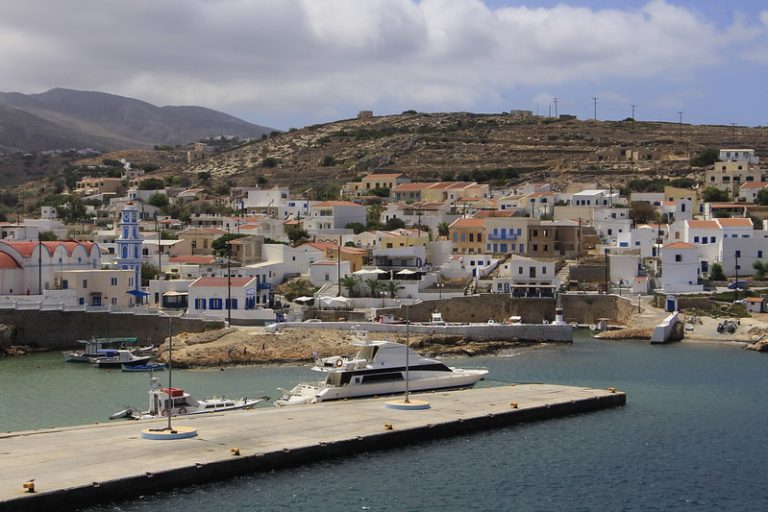
Where to Stay in Patmos: Best Areas for Your Island Holiday
Choosing where to stay in Patmos is more important than the island’s small size might suggest.
Patmos is compact, but its main settlements offer quite different experiences.
Skala is the best choice for most first-time visitors. You have the ferry port, the greatest concentration of restaurants and shops, transport connections and relatively easy access to the rest of the island.
Chora is the choice for history and atmosphere. Staying among its whitewashed lanes beneath the Monastery of Saint John gives you an experience that day visitors never quite get.
Grikos is better for travellers who want a quiet seaside holiday.
And Kampos is worth considering if beaches and a relaxed northern-island setting matter more than being close to the ferry port.
There isn’t one correct answer.
The best place to stay in Patmos depends on whether you want your holiday centred around convenience, history, beaches or tranquillity.
Patmos Accommodation at a Glance
Best overall for first-time visitors: Skala
Best without a car: Skala
Best for restaurants: Skala
Best for ferry convenience: Skala
Best for historic atmosphere: Chora
Best for couples: Chora or Grikos
Best for beaches: Kampos or Grikos
Best for families: Skala or Kampos
Best for walking: Skala or Chora
Best for nightlife and evening activity: Skala
Best for peace and quiet: Grikos
Best for a short stay: Skala
Best for a pilgrimage visit: Chora or Skala
Car: Useful, but not essential
For most visitors, the main decision is:
Skala vs Chora vs Grikos.
Skala – Best Overall Place to Stay in Patmos
For a first visit, I’d choose Skala.
It is Patmos’s port and modern commercial centre, and Greece’s official tourism information describes it as the island’s largest settlement and harbour. (visitgreece.gr)
Most ferry passengers arrive here, and the town has the island’s greatest concentration of:
restaurants,
cafés,
shops,
accommodation,
vehicle rental
and transport services.
That makes everyday travel very easy.
You can arrive on the ferry, settle into your accommodation and walk out for dinner without needing another transfer across the island.
Best for: first visits, short stays, restaurants, convenience and car-free travel.
What Is Staying in Skala Like?
Skala is the liveliest part of Patmos, but that needs some perspective.
This isn’t Mykonos Town.
The atmosphere is centred around the harbour, restaurants, cafés, shops, yachts and ferry activity rather than large nightclubs.
During the day, people arrive and leave by ferry and excursion boat.
In the evening, the waterfront becomes somewhere to walk, eat and have a drink.
For travellers who like having some activity around them without staying in a major resort, Skala strikes a very good balance.
Why Skala Is Best Without a Car
This is where Skala has a major advantage.
You already have:
the ferry port,
restaurants,
shops,
local transport
and walking access toward Chora.
One of Patmos’s most interesting historic walking routes connects Skala with Chora, passing the Cave of the Apocalypse along the way. Greece’s official tourism organisation estimates around 40 minutes for the ascent. (visitgreece.gr)
That means a car-free visitor can create one of the island’s best sightseeing days directly from their accommodation:
Skala → Cave of the Apocalypse → Chora → Monastery of Saint John.
You can use buses or taxis for more distant beaches.
Skala Is Best for Short Visits
If you only have two or three nights on Patmos, I’d definitely stay in Skala.
Every accommodation transfer consumes time.
Staying near the ferry means you can begin exploring almost immediately after arrival and don’t need to worry about a long transfer before departure.
You can still spend an entire day in Chora.
You can still visit Grikos.
And you can still have a beach day.
For a short trip, convenience wins.
Skala Is Best for Restaurants
Our Best Places to Eat in Patmos research found the greatest concentration of restaurants around Skala.
You can choose between:
traditional tavernas,
seafood,
meze,
cafés,
bakeries
and more contemporary restaurants.
That matters if you’re staying several nights.
You don’t necessarily want to plan every dinner before leaving your accommodation.
Skala gives you the ability to walk around and decide.
Where Should You Stay in Skala?
I’d look for somewhere within comfortable walking distance of the waterfront but not necessarily directly beside the busiest part of the port.
That gives you:
easy restaurants,
easy ferry access
and slightly quieter nights.
Check the map carefully before booking.
A property marketed as being “in Skala” may be farther from the waterfront than expected or involve a steep walk.
On Greek islands, 500 metres horizontally doesn’t tell you how much climbing is involved.
Chora – Best for History and Atmosphere
If Skala is the practical choice, Chora is the memorable one.
Patmos Chora isn’t simply a picturesque village.
Together with the Monastery of Saint John and the Cave of the Apocalypse, it forms part of the island’s UNESCO World Heritage property. UNESCO describes Chora as one of the oldest and best-preserved settlements of its type in the Aegean. (whc.unesco.org)
Whitewashed houses cluster beneath the fortified monastery.
Narrow lanes run between historic mansions, churches and courtyards.
And once the daytime visitors leave, staying here gives you an opportunity to experience Chora at its best.
Best for: couples, history, architecture, atmosphere and evening wandering.
What Is It Like Staying in Chora?
The greatest advantage is simple:
you don’t have to leave when everyone else does.
Visit the monastery.
Explore the lanes.
Return to your room.
Go out again toward sunset.
Have dinner.
Walk through Chora after dark.
That is a very different experience from arriving on a sightseeing bus and leaving two hours later.
This is one of those occasions where accommodation itself changes your relationship with a destination.
Who Should Choose Chora?
I’d particularly consider it for:
couples,
photographers,
history enthusiasts,
pilgrims,
and repeat visitors to Greece.
If your idea of a Greek-island holiday is waking in a historic whitewashed settlement rather than directly beside a beach, Chora is probably the strongest choice on Patmos.
What Are the Disadvantages of Staying in Chora?
Convenience.
You’re not at the ferry port.
You’re not directly on a beach.
And walking through an old hillside settlement can involve steps and uneven surfaces.
That matters for travellers with limited mobility or heavy luggage.
You also have fewer casual everyday services immediately around you than in Skala.
So I wouldn’t recommend Chora merely because it’s beautiful.
Choose it because you actually want to live in a historic hilltop village for several days.
Chora or Skala – Which Is Better?
For most first-time visitors:
Skala.
For atmosphere:
Chora.
Choose Skala if you value:
restaurants,
transport,
ferry convenience,
shopping,
and easy logistics.
Choose Chora if you value:
history,
architecture,
quiet evenings,
views,
and atmosphere.
For a four-night first trip, I’d probably still stay in Skala and spend at least one long afternoon and evening in Chora.
For a second visit, Chora becomes much more tempting.
Grikos – Best for a Quiet Seaside Holiday
Grikos provides the third major accommodation experience.
This is the option for travellers who want Patmos to feel more like a quiet seaside holiday.
Grikos lies on the eastern coast south of Skala and has a sheltered bay, accommodation and restaurants.
The municipality’s tourism material identifies it as one of Patmos’s principal settlements and highlights its coastal setting. (patmos.gov.gr)
You also have Petra and Kalikatsou Rock nearby.
Best for: couples, relaxation, swimming and longer stays.
What Is Staying in Grikos Like?
Much quieter than Skala.
That’s the point.
Your days can revolve around:
breakfast,
swimming,
walking,
lunch,
reading,
and another swim.
Then you can travel to Chora or Skala when you want more restaurants or sightseeing.
This works particularly well for travellers staying five nights or longer.
For a two-night trip, I’d still choose Skala.
Grikos Is Particularly Good for Couples
If I were choosing purely for a relaxing couple’s holiday, Grikos would be very competitive with Chora.
They provide two completely different romantic settings.
Chora gives you:
history + lanes + views + evening atmosphere.
Grikos gives you:
sea + quiet + swimming + slower days.
So the decision isn’t which is “more romantic”.
It’s what kind of holiday you want.
Kampos – Best for Beaches and a Relaxed Northern Base
Kampos is worth considering for travellers who want to spend substantial time around the northern beaches.
The settlement lies inland from Kambos Beach and gives you relatively easy access to other northern areas including Vagia and Lambi.
This is much quieter and less central than Skala.
But for a longer summer holiday where beach time matters more than sightseeing efficiency, that can be an advantage.
Best for: beaches, families, longer stays and repeat visitors.
Why Stay Around Kampos?
Because you’re putting yourself close to the activity you’ll actually do most often.
If your ideal day is:
breakfast → beach → lunch → another beach → dinner,
you don’t necessarily gain anything by staying beside the ferry terminal.
This is one of the principles we’re increasingly using across Greek Island Blog:
don’t automatically recommend the main town to everybody.
Recommend the base that fits the trip.
What Is the Disadvantage of Kampos?
You’re farther from:
Skala,
the ferry,
Chora,
and the major religious sites.
That makes transport more important.
For a first-time visitor trying to combine UNESCO sites, restaurants, walking and beaches over three days, Skala remains easier.
Kampos becomes more attractive when you have enough time to slow down.
Where Should Couples Stay in Patmos?
I’d narrow it to three choices.
For a first visit with restaurants and convenience:
Skala.
For historic atmosphere:
Chora.
For a quiet seaside holiday:
Grikos.
Personally, I think Patmos is unusual because all three are genuinely good couple’s bases.
The choice comes down to what you want outside your door each morning.
Where Should Families Stay?
I’d choose Skala or Kampos.
Skala is easier for:
restaurants,
shops,
transport
and ferry logistics.
Kampos makes more sense for a family primarily interested in beaches.
Grikos can also work very well for families wanting a quieter seaside environment.
The deciding factor should be the exact accommodation location and proximity to food and swimming.
Where Should Pilgrims Stay?
Either Skala or Chora.
Chora places you close to the Monastery of Saint John and within the historic sacred landscape itself.
Skala is logistically easier and provides access to the old walking route toward the Cave of the Apocalypse and Chora.
For visitors whose main purpose is pilgrimage rather than a conventional holiday, Chora may be worth the loss of convenience.
Where Should Walkers Stay?
I’d choose Skala or Chora.
The historic path between the two settlements provides immediate access to the Cave of the Apocalypse.
Skala also gives you access to walking around Kastelli and the surrounding coastline.
For more extensive hiking, transport can take you to trailheads elsewhere on the island.
Where Should You Stay Without a Car?
Skala.
This is the easiest decision in the article.
You have:
ferries,
restaurants,
shops,
buses,
taxis,
excursion boats
and the walking route toward Chora.
You can build a very good Patmos holiday from Skala without renting a vehicle.
Do You Need a Car in Patmos?
I’d keep our classification from the Things to Do guide:
Car: useful, but not essential.
A vehicle makes exploring the island easier, particularly if you want to visit several beaches independently.
It is useful for:
Kampos,
Lambi,
Vagia,
Grikos,
Petra
and more remote parts of Patmos.
But you don’t necessarily need one for the entire stay.
For a five-night trip, you could stay in Skala and rent transport only for the days when it provides a real benefit.
Should You Split Your Stay in Patmos?
Generally, no.
Patmos is too small for moving accommodation to save much travel time.
For four or five nights, choose one base.
However, there is one interesting exception.
For a week-long trip, something like:
3 nights Chora + 4 nights Grikos
would create two very different holidays.
You’d begin immersed in history and finish beside the sea.
I wouldn’t recommend that for everyone, but it could work beautifully for a slow seven-night trip.
Where Should You Stay for Beaches?
If beaches are the priority:
Kampos or Grikos.
Grikos gives you easy access to its own bay and nearby Petra.
Kampos places you conveniently for several northern beaches.
Skala still works if you want to use buses or taxis to visit different beaches each day.
We’ll compare all of these properly in the next Best Beaches in Patmos article.
Where Should You Stay for Restaurants?
Skala.
This is the clear winner.
Our restaurant guide found the island’s largest concentration of places to eat around the port.
Chora provides a much better setting for one memorable dinner.
But Skala gives you greater choice every night.
That’s an important distinction.
Where Should You Stay for Nightlife?
Again:
Skala.
But Patmos nightlife isn’t really about huge clubs.
Think:
bars,
drinks,
restaurants,
people walking along the waterfront,
and late evenings.
If nightlife is the primary purpose of your Greek holiday, I’d choose another island.
Patmos is better suited to travellers who want lively evenings without needing a major party scene.
What Type of Accommodation Is Available in Patmos?
Patmos has a broader accommodation range than some of the smaller islands we’ve covered.
Expect:
small hotels,
boutique properties,
studios,
apartments,
traditional houses,
villas
and guesthouses.
Chora is particularly interesting for traditional houses and properties incorporated into the historic settlement.
Grikos offers more of a seaside-holiday environment.
Skala has the greatest practical variety.
Hotel or Apartment?
For two or three nights:
I’d favour a hotel or guesthouse in Skala.
For five nights or longer:
a studio or apartment becomes increasingly attractive.
Having a refrigerator and somewhere to prepare breakfast or a simple lunch gives you more flexibility.
You don’t need to eat three restaurant meals every day simply because you’re travelling.
Buy:
bread,
fruit,
yoghurt,
local cheese
and pastries.
Then save restaurant meals for when you actually want them.
Traditional House in Chora or Modern Hotel?
This is one case where I’d seriously consider the traditional property.
If you’re choosing Chora specifically for atmosphere, staying in a restored historic house can become part of the experience.
But don’t book based solely on photographs.
Check:
steps,
luggage access,
air conditioning,
bathroom arrangements,
distance from vehicle access
and guest comments about noise.
A beautiful 300-year-old building isn’t automatically the most comfortable place for every traveller.
Check the Terrain Before Booking
This is particularly important in Chora.
Historic settlements weren’t designed around rolling suitcases.
There can be:
steps,
slopes,
narrow lanes
and uneven paving.
Likewise, accommodation above Skala may advertise wonderful harbour views precisely because it is uphill.
Always look at the actual map.
If mobility is an issue, contact the property and ask specifically about stairs and walking access.
Sea View or Better Location?
I’d usually choose location.
A dramatic sea view is lovely for ten minutes over breakfast.
Being able to walk easily to:
restaurants,
shops,
transport
and the waterfront
helps you every day.
Of course, if you can have both, excellent.
But I wouldn’t choose an isolated hillside property simply because the booking photographs show a spectacular balcony.
How Many Nights Should You Stay in Patmos?
I’d recommend four to five nights.
For one or two nights:
Skala.
For three or four nights:
Skala remains my first choice for a first visit.
For five to seven nights:
Grikos and Chora become increasingly attractive alternatives.
For a week-long beach holiday:
consider Grikos or Kampos.
The longer you stay, the less important ferry convenience becomes.
My Choice for Different Travellers
If this were my first visit:
Skala.
If travelling without a car:
Skala.
For a couple wanting atmosphere:
Chora.
For a couple wanting sea and quiet:
Grikos.
For a family wanting convenience:
Skala.
For a family primarily wanting beaches:
Kampos.
For a pilgrimage-focused trip:
Chora.
For a short stay:
Skala.
For a week of slow travel:
Grikos.
What Is the Best Area to Stay in Patmos?
For most first-time visitors, Skala is the best place to stay.
It provides the strongest combination of:
ferry convenience,
restaurants,
transport,
walking access,
shops
and accommodation.
But Patmos is one of those islands where I’d encourage travellers to think beyond convenience.
If walking through medieval lanes after dinner sounds more appealing than being beside the ferry port, stay in Chora.
If waking beside a quiet bay is what you imagine when you think about Greece, choose Grikos.
And if beaches are going to dominate the holiday, look at Kampos.
Patmos is small enough that none of those choices prevents you from seeing the rest of the island.
So choose according to the part of Patmos you’d most like to experience after the sightseeing is finished for the day.