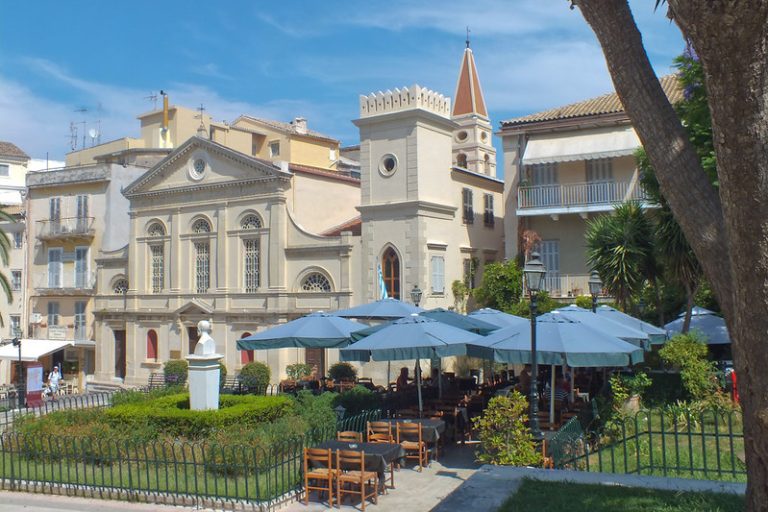
Things to Do in Ithaca: Villages, Beaches & Historic Sights
The best things to do in Ithaca combine harbour walks, pebble beaches, mountain villages and archaeological discoveries. This small Ionian island is closely associated with Odysseus and the Odyssey, but its appeal also lies in the landscape: wooded slopes, sheltered bays and villages overlooking the sea.
Vathy provides a convenient starting point, with museums, restaurants and a waterfront built around a deep natural harbour. Farther north, Kioni and Frikes offer different coastal settings, while Anogi and the Monastery of Kathara introduce visitors to the island’s elevated interior.
Ithaca rewards an unhurried itinerary. Rather than attempting every sight in one day, group nearby places together and leave time for swimming, walking and meals along the way.
Things to Do in Ithaca at a Glance
| Activity | Location | Main appeal |
|---|---|---|
| Explore Vathy | Southern Ithaca | Harbour scenery, cafés and town walks |
| Visit the Archaeological Museum | Vathy | Finds explaining the island’s ancient history |
| Discover the Maritime–Folklore Museum | Vathy | Seafaring heritage and everyday island life |
| Spend time in Kioni | Northeastern coast | A picturesque harbour village |
| Stop in Frikes | Northern Ithaca | Waterfront dining and a small working harbour |
| Explore Anogi | Mountain interior | Historic church and village atmosphere |
| Visit Kathara Monastery | Near Anogi | Religious heritage and elevated views |
| Swim at Filiatro | Near Vathy | A readily accessible pebble beach |
| Plan an outing to Gidaki | Northeastern coast of southern Ithaca | Pale pebbles and turquoise water |
| Visit Stavros and its archaeological collection | Northern Ithaca | Archaeology and Homeric associations |
| Walk around Perachori and Palaiochora | Above Vathy | Village scenery and historic remains |
1. Walk Around Vathy’s Harbour
Vathy, also written as Vathi, is Ithaca’s capital and an enjoyable place to begin a visit.
Its buildings follow the edge of a deep bay, creating a waterfront that invites slow exploration. Walking around the harbour reveals changing views of moored boats, hillside houses and the entrance to the bay.
Cafés and restaurants provide opportunities to stop without turning the walk into a fixed sightseeing route. Visitors can also explore the streets behind the waterfront rather than remaining entirely beside the sea.
Vathy works well for a morning stroll or an evening meal. Travellers arriving by ferry should check their actual arrival port, since a sailing to Ithaca does not necessarily dock in the town itself.
2. Visit the Archaeological Museum in Vathy
The Archaeological Museum of Ithaca provides context for the ancient sites and traditions encountered around the island.
Its collections relate to different periods of Ithaca’s history, including discoveries from the Aetos area. These help visitors look beyond the familiar literary association with Odysseus and understand the evidence recovered through archaeology.
Exhibition arrangements deserve checking before visiting. The Ministry of Culture has published information about a temporary display during re-exhibition works, so older descriptions of the full collection may not reflect what is currently accessible.
Confirm the current opening hours and exhibition access directly before planning the visit.
3. Discover Ithaca’s Maritime and Folklore Heritage
The Maritime–Folklore Museum in Vathy explores the island’s seafaring connections and everyday life.
Its displays include material associated with shipping, local households and the people whose lives connected Ithaca with places beyond the Ionian Sea.
This makes it a useful companion to the archaeological museum. One introduces the ancient island, while the other helps explain more recent communities and traditions.
Visitors interested in maritime history, old photographs and domestic objects may find this a particularly worthwhile stop.
Check opening arrangements before arriving, especially outside the main visitor season.
4. Explore Kioni
Kioni is one of Ithaca’s most attractive harbour villages, with houses arranged around a small bay and slopes rising behind the waterfront.
The pleasure comes from walking, looking at the buildings and spending time beside the water. A visit need not involve a long list of attractions: a harbour stroll followed by lunch can be enough.
The village also provides a coastal destination for visitors exploring northern Ithaca. Those arriving by road should remember that some accommodation and neighbourhoods sit above the waterfront.
Allow time to explore on foot and avoid assuming every viewpoint or restaurant can be reached without steps or slopes.
5. Stop for a Meal in Frikes
Frikes is another northern harbour village, offering a different setting from Vathy and Kioni.
Its waterfront makes it a useful stopping point during a day exploring the north. Visitors can watch activity around the small harbour before choosing somewhere for refreshments or a meal.
Frikes can be combined with Stavros and Kioni, although trying to include every nearby beach as well may make the day unnecessarily rushed.
The village remains a place where people live and work. Keep access clear around boats and waterfront businesses, and park without obstructing the narrow roads.
6. Visit the Mountain Village of Anogi
Anogi introduces visitors to Ithaca’s inland landscape.
At the heart of the village stands the Church of the Dormition of the Virgin, known for its historic decoration and distinctive bell tower. Visitors interested in the interior should check access locally rather than assume it remains open throughout the day.
A walk around the village offers a contrast with the island’s coastal settlements. Stone buildings, mountain surroundings and quieter lanes make it worth allowing time beyond a brief photograph.
Anogi can be combined with Kathara Monastery, creating an outing focused on the interior rather than another harbour or beach.
7. See the Views from Kathara Monastery
The Monastery of Kathara, also called Katharon, occupies an elevated setting near Anogi.
It is an important religious landmark, with views that help visitors appreciate the shape of Ithaca and its surrounding coastline.
The setting is part of the attraction, but access to individual buildings or viewpoints should be checked on arrival. Visitors should dress respectfully and avoid disturbing worship or other religious activities.
Allow time for the winding approach road. A visit is more enjoyable when it can be combined with nearby places rather than treated as a hurried detour between distant beaches.
8. Spend Time at Filiatro Beach
Filiatro near Vathy is one of Ithaca’s more accessible beach options.
Its pebbly shore and clear water make it a useful choice for visitors who want to combine swimming with a stay in the southern part of the island.
Beach footwear can make walking over the stones more comfortable. Seasonal facilities should be checked locally, and visitors should carry drinking water even when refreshments are expected.
There is also a beach called Filiatro near Kioni. When following directions, confirm that the destination is the Filiatro near Vathy rather than relying on the name alone.
9. Plan a Visit to Gidaki Beach
Gidaki is known for its pale pebbles and turquoise water.
Reaching it requires more planning than a beach directly beside a road. Options include a walking approach from the Skinos area or a locally arranged boat journey, depending on operating arrangements and sea conditions.
Visitors considering the footpath should ask about its current condition and carry suitable footwear, water and sun protection.
For a boat visit, establish the return arrangements before departing. Do not assume there will be another convenient service later in the day.
Gidaki is best treated as a planned outing with enough time to enjoy the setting.
10. Explore Stavros and Its Archaeological Collection
Stavros provides a useful introduction to northern Ithaca’s archaeological interest.
The archaeological collection includes finds associated with sites such as Pilikata and the Cave of Loizos. These discoveries help explain settlement, religious activity and the island’s connections across different periods.
The area is also associated with discussions about Homeric Ithaca. Visitors should distinguish archaeological remains and evidence of ancient worship from claims identifying a particular structure as the proven palace of Odysseus.
Confirm access to the collection before travelling. A visit can be combined with time in Stavros and a separate stop around the northern coast.
11. Walk Around Perachori and Palaiochora
Perachori stands above Vathy and offers a different perspective on southern Ithaca.
Visitors can explore the village before considering a walk towards the remains of Palaiochora, an older settlement with surviving buildings and churches.
This outing suits travellers interested in the island’s historic landscape as well as its waterfront villages. However, the walking route should be checked locally, especially where paths continue beyond the settlement.
Wear sturdy shoes and avoid the hottest part of the day. Historic ruins should be viewed without climbing unstable walls or entering buildings that are closed.
Walking in Ithaca
The island’s paths connect villages, religious sites and coastal areas. The Anogi–Kioni route is one established option for visitors wanting a longer walk.
Before setting off, check the distance, descent, current path condition and return transport. A route finishing in another village requires a plan for getting back.
Carry an offline map and sufficient water. Shade, signs and refreshments should not be assumed along the entire route.
The Cave of the Nymphs is often mentioned in older itineraries, but interior access should not be assumed; local information has listed it as closed to the public.
How Long Should You Stay?
Three nights allow time for Vathy, a beach outing and selected northern villages.
Four or five nights provide more flexibility for museums, walking and separate trips into the interior.
A practical arrangement is to group activities geographically:
- Vathy and nearby: Harbour walks, museums, Filiatro and Perachori.
- Northern villages: Stavros, Frikes and Kioni.
- Mountain interior: Anogi and Kathara Monastery.
- Dedicated outings: Gidaki or a longer walking route.