Things to Do in Aegina: Ancient Temples, Villages & Island Life
Aegina combines ancient monuments, harbour towns and countryside within easy reach of Athens. Visitors can explore the Temple of Aphaia, walk among the churches of Paleochora, eat beside the sea in Perdika and discover why the island is famous for its pistachios.
Part of the Saronic Islands, Aegina is often visited on a day trip from Piraeus. Staying overnight allows a more relaxed experience, with time for swimming, inland villages and evenings after many excursion visitors have departed.
The best things to do in Aegina involve exploring beyond the main port while leaving enough time to enjoy the waterfront itself.
1. Walk Around Aegina Town and the Harbour
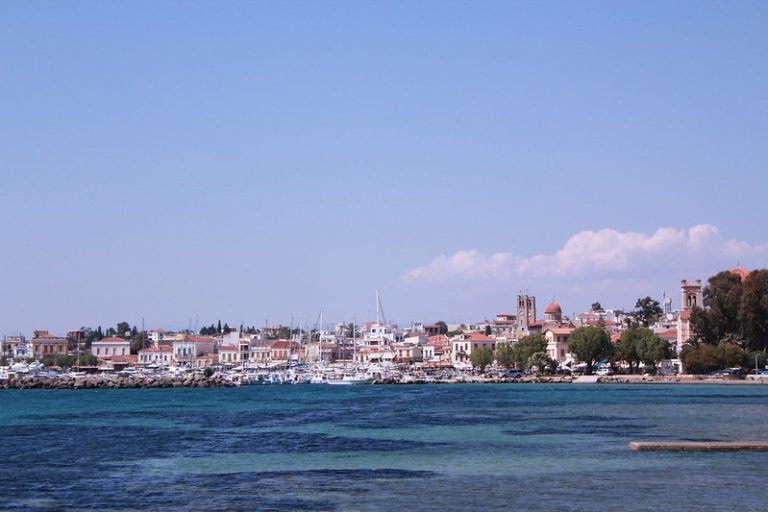
Aegina Town is the island’s principal port and a useful starting point for exploring. Its waterfront combines fishing boats, cafés, shops and places to eat, while streets behind the harbour invite a slower walk.
Begin on foot rather than immediately travelling across the island. Browse the food shops, explore the side streets and stop for coffee before continuing to the historical sights.
Return towards evening for a different atmosphere. An overnight stay makes it possible to enjoy the town without organising every activity around the return ferry.
2. Visit the Temple of Aphaia
The Temple of Aphaia occupies a pine-covered hill above Agia Marina in the northeastern part of Aegina. Its surviving columns and elevated setting make it one of the island’s most memorable sights.
Dedicated to Aphaia, the sanctuary provides an opportunity to understand Aegina’s importance in the ancient Greek world. Allow time to appreciate the building and its surroundings rather than treating it as a brief photograph stop.
The site involves exposed outdoor areas and uneven surfaces. Bring water, wear suitable footwear and check opening arrangements before travelling.
A visit can be combined with Agia Marina, provided transport and sightseeing times are planned realistically.
3. Explore Kolona and the Temple of Apollo
Kolona lies close to Aegina Town and is particularly convenient for visitors arriving without a car.
A single surviving column from the Temple of Apollo forms the site’s best-known landmark, but the surrounding remains reveal a much longer history of settlement. The coastal position helps explain the relationship between ancient Aegina and maritime trade.
Explore the archaeological area before visiting the museum, or reverse the order if an introduction to the finds would make the ruins easier to interpret.
Check the current opening days: being within walking distance of the port does not mean the site is accessible at all times.
4. Visit the Archaeological Museum at Kolona
The Archaeological Museum at Kolona provides context for the ancient remains nearby. Its collections introduce visitors to the island’s archaeological history through objects recovered from Aegina.
It is a worthwhile addition to the site rather than an unrelated museum visit. Combining the two helps turn scattered foundations and architectural fragments into a clearer picture of the island’s past.
For a short visit to Aegina, the museum and Kolona offer a manageable historical outing close to town. Confirm current admission arrangements and leave enough time before the final entry.
5. Discover the Churches of Paleochora
Paleochora, also written as Palaiochora, occupies a hillside opposite the Agios Nektarios monastery area. Once an important inland settlement, it preserves churches and traces of the community that formerly lived here.
The experience involves walking between surviving buildings rather than following the streets of an inhabited village. Look for changes in architecture, small details around doorways and views across the surrounding countryside.
Paths are uneven and sections are exposed. Sturdy shoes and water are useful, particularly in warm weather.
Some churches may be closed. Respect locked doors and fragile structures, and do not assume every building can be entered.
6. Visit the Monastery of Agios Nektarios
The monastery commonly known as Agios Nektarios is formally associated with Agia Triada, or the Holy Trinity. Near Kontos, it is an important Orthodox pilgrimage destination.
The complex and neighbouring large church attract visitors interested in religious history as well as worshippers. Allow time to appreciate the setting quietly, remembering that this remains an active religious place.
Wear modest clothing, keep voices low and follow instructions about photography and access. Services and religious celebrations can affect how visitors move around the complex.
Its proximity to Paleochora makes the two places a practical combination, although they offer very different experiences.
7. Spend Time in Perdika
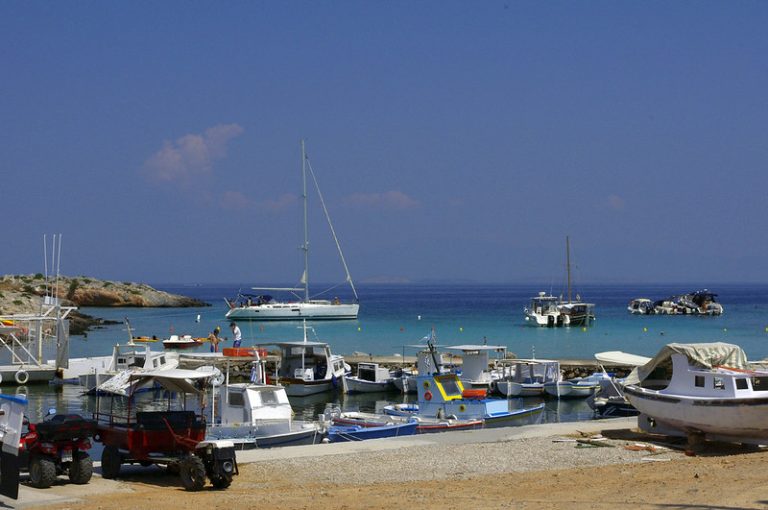
Perdika is a fishing village on Aegina’s southwestern coast. Its harbour, waterfront restaurants and outlook across the sea make it an appealing place for lunch or an evening visit.
Walk around before choosing somewhere to eat. A meal beside the harbour can become the main event rather than a stop between other attractions.
The village is also a departure point for seasonal boats to nearby Moni. Visitors who prefer to remain on Aegina can simply enjoy the waterfront and return later in the day.
For dining ideas, see Best Places to Eat in Aegina.
8. Take a Boat to Moni
Moni is a small island off Perdika, visited for swimming and its wooded coastal setting. Seasonal boat trips provide a way to add another island experience without travelling far from Aegina.
Arrange the return journey before leaving. Departures depend on weather, demand and the time of year, so avoid relying on an old timetable.
Bring water and sun protection, and confirm what facilities are operating. Keep a respectful distance from any animals encountered and avoid feeding them.
A Moni excursion is easier to enjoy when there is enough time to return comfortably before any onward ferry connection.
9. Try Aegina’s Pistachios
Pistachios are closely associated with Aegina’s agricultural identity. Visitors will encounter them in food shops, stalls and products ranging from roasted nuts to sweets and spreads.
Try the nuts themselves as well as a pistachio-based dessert. Ask where products were made and look for clear origin information, particularly when buying gifts.
Aegina pistachios have Protected Designation of Origin status. However, the presence of pistachio flavouring in a sweet does not automatically establish that its ingredients were grown on the island.
The annual Fistiki Fest celebrates this connection with local agriculture. Check the announced dates if planning a visit around the event.
10. Visit the Christos Kapralos Museum
The Christos Kapralos Museum introduces another side of Aegina through the work of the Greek sculptor.
Located in the Plakakia area outside the centre of Aegina Town, it is associated with the spaces where Kapralos worked on the island. The museum operates as an annex of Greece’s National Gallery.
It suits visitors who want to include modern art alongside the island’s ancient monuments. Check current opening arrangements before making the journey, particularly outside the main visitor season.
11. Explore Pachia Rachi and the Inland Villages
Pachia Rachi is a hillside village with stone houses on the slopes of Mount Oros. It offers a contrast with the harbour and the more developed seaside settlements.
An unhurried walk provides time to appreciate the architecture and surrounding landscape. Treat lanes and houses as part of a residential community, respecting private gardens and entrances.
Other inland places, including Anitseo, can be incorporated into a drive or a planned walk. Avoid assuming that refreshments, public transport or visitor facilities will be available in every village.
12. Walk in the Countryside
Aegina’s interior offers walking possibilities beyond the main sightseeing stops. Routes around villages and the southern hills reveal a landscape that many day visitors never see.
Choose a route suited to fitness and weather, using current local advice and a reliable map. Mount Oros is a more substantial outing than a harbour stroll and should be planned accordingly.
Start early in warm weather, carry sufficient water and allow time to return before dark. Do not follow an unfamiliar track solely because it appears to lead towards the coast.
13. Make Time for Swimming
Swimming can be combined with sightseeing rather than organised as a separate full-day excursion.
Agia Marina is a useful coastal stop when exploring the northeastern side of the island. Marathonas provides another option on the western coast, while visitors staying in Aegina Town can investigate the nearby shoreline.
Choose according to conditions on the day. Access, seabed and facilities vary, so a convenient location does not automatically make every swimming spot suitable for every visitor.
Can You Visit Aegina on a Day Trip?
A day trip can provide an enjoyable introduction, but it works best with a selective itinerary.
Choose either a town-focused day around the harbour and Kolona or an outing that includes the Temple of Aphaia and one further stop. Trying to include every village, monastery and beach creates unnecessary pressure.
Allow a comfortable margin for the return ferry, particularly when travelling back from another part of the island.
How Long Should You Stay?
Two nights allow time for the main historical sights, a village visit and a relaxed meal beside the sea.
Three or four nights provide more flexibility for Moni, walking, swimming and exploring the inland settlements. Staying longer also makes it easier to change plans around weather and opening days.
For help choosing a base, see Best Places to Stay in Aegina.
Do You Need a Car?
A car is unnecessary for exploring Aegina Town and nearby Kolona. It becomes useful when combining inland villages, the temple, monasteries and different coastal settlements.
Buses and taxis can provide alternatives, but check current services and arrange return journeys where necessary. The available timetable should shape the day’s plan.
Visitors bringing a rental vehicle from the mainland should establish whether the rental agreement permits ferry travel.
Getting to Aegina
Aegina is reached by ferry from Piraeus. Journey times and vehicle arrangements depend on the service and vessel selected.
Check the destination port carefully, as the island has more than one harbour. A sailing to another settlement may not suit accommodation or sightseeing plans centred on Aegina Town.
Reserve an appropriate return service and confirm boarding requirements before travelling.
A Simple Two-Day Aegina Itinerary
Day 1: Explore Aegina Town, visit Kolona and its museum, try local pistachios and enjoy an evening meal near the harbour.
Day 2: Visit the Temple of Aphaia, then choose Agios Nektarios and Paleochora for further sightseeing or Agia Marina for time by the sea.
With another day, add Perdika and a weather-dependent trip to Moni.