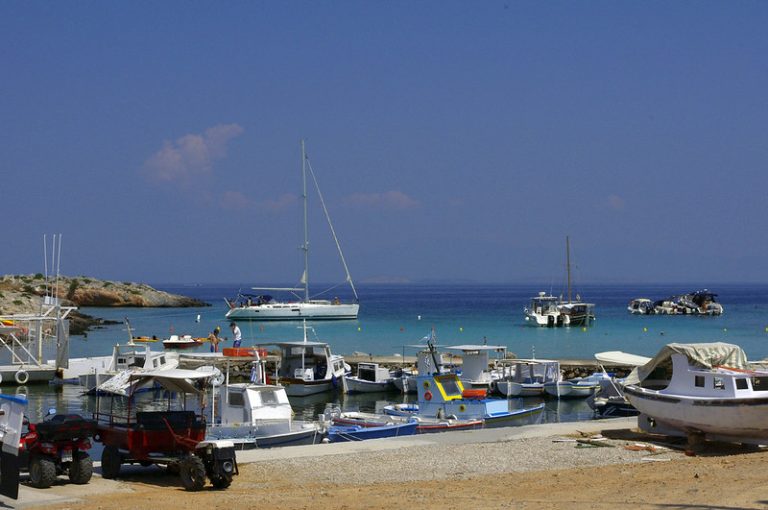
Things to Do in Salamina: Historic Sights, Beaches & Coastal Walks
The best things to do in Salamina combine ancient history, seaside neighbourhoods, monasteries and wooded landscapes within easy reach of Athens. Also known as Salamis, the island is famous for the naval battle of 480 BC, but its appeal extends beyond that single event.
Salamina is a lived-in island with busy residential areas, ferry traffic and strong maritime connections. Visitors arriving at Paloukia should allow time to travel beyond the port: the main town, northwestern coast and southern bays offer quite different experiences.
A day trip can include the Archaeological Museum and a coastal outing. Staying longer allows time for Faneromeni, the landscapes around Kanakia and the island’s connections with Euripides and the poet Angelos Sikelianos.
Salamina at a Glance
| Experience | Best for | Planning tip |
|---|---|---|
| Salamina Town | Everyday island life and waterfront walks | The town centre is separate from Paloukia ferry port |
| Archaeological Museum | Understanding the island’s history | Check current opening days |
| Faneromeni Monastery | Religious heritage | Combine with the nearby Sikelianos house |
| Angelos Sikelianos house | Literature and coastal scenery | Confirm interior access before visiting |
| Euripides Theatre and Patris Hill | Views and cultural events | The theatre is modern, not an ancient ruin |
| Kanakia | Woodland and a coastal excursion | A vehicle makes exploring easier |
| Peristeria and Euripides Cave | Archaeology and literary associations | Check access before attempting the cave approach |
| Southern beaches | Swimming and leisurely coastal stops | Choose a specific beach rather than the working harbour |
1. Explore Salamina Town
Salamina Town, also known as Koulouri, is the island’s main urban centre. It provides a useful introduction to daily life beyond the ferry terminal.
The waterfront is a natural place to begin, followed by the streets around the shops, churches and cafés. The town mixes modern buildings with older architectural details rather than presenting a uniformly preserved historic centre.
Visitors who enjoy ordinary working towns may find this part of Salamina particularly rewarding. Shopping, fishing and local routines form part of the experience.
A town visit also works well around the Archaeological Museum. Allow time for a walk and a meal instead of travelling directly between individual sights.
Paloukia and Salamina Town are different locations. Visitors arriving without a car should plan onward transport rather than assuming that the main sights stand beside the ferry ramp.
2. Visit the Archaeological Museum of Salamina
The Archaeological Museum is one of the strongest starting points for understanding the island.
It occupies a former school building associated with the early years of the modern Greek state. The collection covers human activity on Salamina from prehistoric times through later antiquity.
Exhibits include funerary and votive reliefs, pottery and finds from the Cave of Euripides. Together, they provide a broader picture than the island’s familiar association with the Persian Wars.
The museum is particularly useful before visiting archaeological locations elsewhere on Salamina. Some sites have limited visible remains, making the objects and explanations here valuable context.
Check opening days and holiday arrangements before making a special journey. An earlier visit generally leaves more flexibility for a coastal outing afterwards.
3. Discover Faneromeni Monastery
Faneromeni Monastery stands in the northwestern part of Salamina and is among its principal religious landmarks.
Its history includes an important role during the Greek War of Independence, when it offered refuge and assistance. The monastery also contains significant religious paintings.
The visit offers an opportunity to explore a different side of the island from the busy eastern arrival area. Its location makes it a natural partner to the nearby house associated with Angelos Sikelianos.
As a working religious establishment, Faneromeni should be approached respectfully. Modest clothing is appropriate, and visitors should follow instructions about photography and which areas are open.
Opening arrangements may differ from those of a conventional museum. Confirm access locally, particularly outside the main visitor season.
4. See the House of Angelos Sikelianos
The small coastal house associated with Angelos Sikelianos lies near Faneromeni Monastery.
Its interest comes from the poet’s connection with Salamina and the relationship between his work and the surrounding landscape. This is a modest literary landmark rather than a large house museum.
The seaside position makes it worth including in an outing to Faneromeni, even when interior access is unavailable.
Visitors should check whether the building is open before planning around an indoor visit. A map listing alone does not establish regular opening hours.
The house and monastery together create a manageable excursion combining literature, religious history and time beside the coast.
5. Visit Patris Hill and the Euripides Theatre Area
Patris Hill rises above the town and is associated with the Euripides Theatre and the chapel of Panagia Eleftherotria.
The theatre is a modern performance venue named after the ancient playwright. It should not be confused with a surviving theatre from classical antiquity.
During the summer, performances and concerts can provide a reason to visit beyond sightseeing. Check the current programme and ticket arrangements rather than expecting an event every evening.
At other times, the attraction is the hilltop setting and the opportunity to appreciate the town from higher ground, where access permits.
The climb and exposed sections are more comfortable outside the hottest part of the day. Visitors with mobility requirements should check the approach and venue access beforehand.
6. Explore the Woodland and Coast Around Kanakia
Kanakia offers a change of scenery from Salamina’s more densely built areas.
The journey towards the southwestern coast passes through one of the island’s principal wooded landscapes. It suits visitors who want to combine a drive with short walks and time beside the sea.
Kanakia beach can form the centre of the outing, with the surrounding landscape providing much of the appeal. Bring water and anything essential rather than relying on extensive services.
Walking routes should be checked locally. A forest track shown on a map may have uneven ground, limited signage or seasonal access restrictions.
During hot weather, follow any official restrictions affecting woodland areas. The most rewarding visit may be a simple combination of scenery, a short walk and a coastal stop.
7. Learn About Euripides at Peristeria
The Peristeria area in southern Salamina is associated with the Cave of Euripides.
Ancient accounts connect the playwright with a cave retreat on the island, while archaeological investigation has revealed evidence of activity extending across different periods.
The distinction matters: this is an archaeological place with a literary association, rather than a preserved study where individual works can be confidently located.
Visitors interested in the cave should first see the relevant finds at the Archaeological Museum. They should then confirm the current approach, access arrangements and suitability of the route.
Do not assume that the cave operates as a staffed visitor attraction or that entering it independently is appropriate.
Peristeria can still be included as a coastal outing when a cave visit is impractical.
8. Spend Time at the Southern Beaches
Salamina has numerous beaches and small coastal settlements, particularly around its southern shores.
Kanakia, Peristeria, Saterli and the Aianteio area offer different settings for an outing. Some visitors may prefer a beach near food and refreshments, while others will value a quieter location and bring their own supplies.
The important planning decision is choosing a specific swimming destination. The island’s ferry terminals and working maritime areas should not be treated as substitutes for an established bathing beach.
Check local conditions, the shoreline underfoot and available facilities on arrival. Beach shoes can be useful where stones or uneven surfaces make entering the water less comfortable.
A coastal meal after swimming can be a more enjoyable plan than attempting several beaches in one afternoon.
9. Look for the Town’s Historic Churches and Windmills
Salamina’s municipal sightseeing information identifies several landmarks within the main town, including Agios Dimitrios, Agios Minas and the windmills on Agios Nikolaos Hill.
These provide additional stops for visitors interested in religious art and local history.
They need not all be treated as separate major excursions. Selecting one or two can add variety to a walk through the town.
Church access depends on services and local opening arrangements. Visitors should remain discreet during worship and ask before photographing interiors.
The windmills occupy a different hill from the Euripides Theatre. Check their location before setting out rather than expecting all the elevated landmarks to stand together.
Understanding the Battle of Salamis
The naval battle of 480 BC is central to the island’s historical identity. Greek forces defeated the Persian fleet in the waters between Salamina and the mainland.
However, understanding a historic seascape is different from visiting a single enclosed battlefield attraction.
The eastern coastline includes working maritime infrastructure and restricted areas. Visitors should use publicly accessible locations and avoid following informal routes into port or naval property.
For many travellers, the best introduction is historical reading combined with the museum, followed by an appreciation of the island’s position relative to the mainland.
How to Get to Salamina
From Perama to Paloukia
The principal short crossing connects Perama, west of Piraeus, with Paloukia on Salamina.
The journey usually takes around 15 minutes. Vehicle ferries make the route useful for visitors exploring the island by car, while foot passengers can arrange onward travel after arrival.
Check the current timetable, particularly for late-night journeys. Perama is a separate departure point from the central Piraeus ferry terminals.
Via the Northwestern Crossing
Another ferry connection links the Faneromeni side of Salamina with the mainland near Nea Peramos.
This can be useful for travellers approaching from western Attica. Confirm the exact terminals and operating times before planning a circular route.
Getting Around Salamina
A car is useful for combining the main town, Faneromeni and the southern coast in one visit.
Buses and taxis provide alternatives, but route frequency and connections should be checked beforehand. A short ferry crossing does not mean that every attraction is close to the arrival port.
Without a vehicle, choose a compact itinerary and arrange the return journey before travelling to a quieter area.
How Long Should You Stay?
A day trip allows time for the town, museum and one additional area.
Two nights offer a more relaxed introduction, with time for Faneromeni, a southern coastal outing and an evening in a different neighbourhood.
Salamina suits visitors interested in history and everyday Greek island life. Its proximity to Athens also makes it practical for travellers who want an island visit without a long sea journey.